

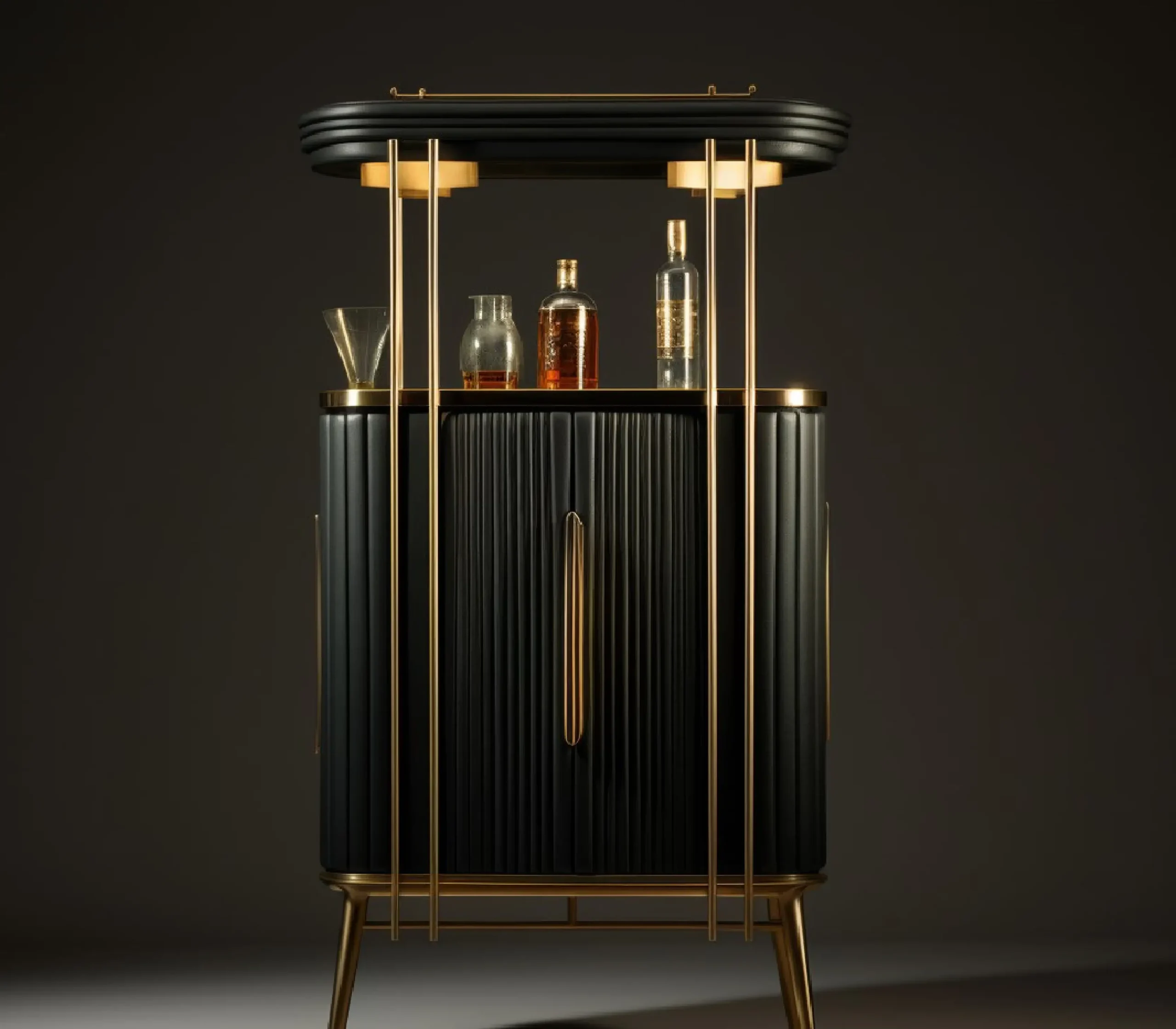
Modern Sculptural Furniture in India: Where Art Meets Living Spaces
Indian homes are undergoing a powerful design transformation. No longer confined to functionality alone, furniture today is expected to tell a story, spark conversation, and reflect individuality. At the center of this evolution lies modern sculptural furniture in india, a design movement that blends contemporary aesthetics with artistic craftsmanship.
From luxury apartments in Mumbai to curated villas in Delhi, Bengaluru, and beyond, homeowners and designers are embracing furniture that behaves like art—bold, expressive, and visually striking. Sculptural furniture has become more than a trend; it is now a symbol of elevated living and refined taste.
In this detailed guide, we explore the philosophy, materials, craftsmanship, and cultural relevance of modern sculptural furniture in india, uncovering why it has become a defining element of premium interior design across the country.
What Is Modern Sculptural Furniture?
Modern sculptural furniture refers to pieces designed with strong artistic intent—where form is as important as function. Unlike traditional furniture that prioritizes utility, sculptural furniture blurs the line between usable object and art installation.
Key Characteristics
- Fluid or geometric forms
- Asymmetrical silhouettes
- Statement-making presence
- Handcrafted or limited-edition designs
- Use of premium materials
In the Indian context, modern sculptural furniture in india is uniquely expressive because it often merges global design sensibilities with indigenous craftsmanship traditions. This fusion results in furniture that feels both international and deeply rooted in local artistry.
Why Sculptural Furniture Is Gaining Popularity in India
1. Shift Toward Design-First Homes
Indian homeowners today are more design-aware than ever. With exposure to global interiors through social media, design magazines, and luxury travel, there is a growing desire to own furniture that feels exclusive and curated.
Sculptural furniture satisfies this demand perfectly. Each piece becomes a focal point, instantly elevating the visual narrative of a space.
2. Rise of Luxury Real Estate
As luxury residences grow in scale and sophistication, standard furniture often falls short. High-ceiling living rooms, open-plan layouts, and minimalist interiors demand bold furniture that anchors the space visually.
This is where modern sculptural furniture in india shines—offering scale, drama, and architectural presence.
3. Appreciation for Craftsmanship
There is a renewed respect for handcrafted objects in India. Sculptural furniture celebrates this by emphasizing hand-finishing, artisanal techniques, and material integrity—qualities increasingly valued by discerning buyers.
Materials That Define Modern Sculptural Furniture in India
Material choice plays a crucial role in sculptural furniture design. Indian designers and studios are experimenting with textures, finishes, and combinations that feel luxurious yet timeless.
Solid Wood
Teak, oak, ash, and walnut are commonly used for sculptural furniture bases. These woods allow for deep carving, smooth curves, and organic forms.
Hand-sculpted wooden furniture adds warmth while maintaining a modern aesthetic—making it a cornerstone of modern sculptural furniture in india.
Natural Stone
Marble, travertine, and granite are frequently incorporated into tables, consoles, and seating. The natural veining and weight of stone give furniture a monumental, gallery-like presence.
Metal Accents
Brass, bronze, stainless steel, and powder-coated metals are used to add contrast and structural strength. Sculptural metal furniture often features bent, folded, or welded forms that feel architectural.
Upholstery & Textures
Bouclé, leather, velvet, and textured fabrics are used in sculptural sofas and lounge chairs. Neutral tones dominate, allowing the form of the furniture to take center stage.
Sculptural Furniture as Functional Art
One of the most compelling aspects of sculptural furniture is its dual purpose. These pieces are not created solely to be admired—they are designed to be lived with.
A sculptural chair must still provide comfort. A sculptural table must still function effectively. The best examples of modern sculptural furniture in india achieve this balance effortlessly, proving that art and usability can coexist beautifully.
This philosophy resonates strongly with Indian homeowners who want expressive interiors without compromising everyday practicality.
Key Furniture Categories in Sculptural Design
Sculptural Sofas
Curved backs, low profiles, and modular forms define sculptural sofas. These pieces often look like installations yet provide excellent lounging comfort.
Statement Dining Tables
Dining tables crafted from monolithic stone slabs or carved wooden bases serve as the centerpiece of luxury dining spaces.
Artistic Accent Chairs
Accent chairs in sculptural form add personality to bedrooms, reading corners, and lounges. They often feature exaggerated proportions and experimental shapes.
Console Tables & Sideboards
Sculptural consoles act as transitional art pieces—bridging walls, corridors, and open spaces with visual rhythm.
How Sculptural Furniture Transforms Interior Spaces
Creates a Focal Point
A single sculptural piece can define an entire room. Designers often build the rest of the interior palette around it.
Enhances Spatial Flow
Curved and organic shapes soften rigid architectural lines, making spaces feel more fluid and inviting.
Reflects Personal Identity
Choosing modern sculptural furniture in india allows homeowners to express individuality and taste in a way mass-produced furniture never can.
Indian Design Influence on Sculptural Furniture
India’s rich artistic heritage strongly influences sculptural furniture design. From temple architecture to traditional wood carving techniques, many contemporary pieces subtly reference cultural motifs without appearing traditional.
Designers reinterpret these influences through modern forms, resulting in furniture that feels soulful yet sophisticated—an identity that is uniquely Indian.
Who Is Sculptural Furniture For?
Sculptural furniture is ideal for:
- Luxury homeowners
- Architects and interior designers
- Boutique hotels and hospitality spaces
- Art collectors
- Design-conscious urban professionals
If you value originality, craftsmanship, and timeless design, modern sculptural furniture in india aligns perfectly with your lifestyle and aesthetic sensibility.
Design Philosophy Behind Modern Sculptural Furniture in Indian Interiors
As Indian interiors evolve, the way furniture is perceived has shifted dramatically. Furniture is no longer seen as a background element but as a defining feature of spatial identity. This change in mindset is the foundation on which modern sculptural furniture in india has grown into a powerful design movement.
At the heart of sculptural furniture lies intentional design. Each piece is created with a strong focus on form, proportion, balance, and negative space. Rather than relying on ornamentation, sculptural furniture communicates through structure itself. The absence of excess allows shape, texture, and material to take center stage.
This philosophy resonates deeply with contemporary Indian homeowners who value clarity, sophistication, and originality in their living spaces.
International Roots of Sculptural Furniture
Globally, sculptural furniture draws inspiration from movements such as modernism, minimalism, brutalism, and abstract art. Designers experiment with geometry, asymmetry, and organic forms to create pieces that feel architectural yet fluid.
European and American design influences emphasize:
- Clean silhouettes
- Monolithic forms
- Functional minimalism
- Visual weight and balance
These ideas have significantly shaped the design language of modern sculptural furniture in india, especially in luxury residential and hospitality projects.
Indian Sensibility and Craftsmanship
What distinguishes Indian sculptural furniture is its emotional warmth and artisanal depth. Indian designers often reinterpret global forms through:
- Traditional woodworking techniques
- Hand-carved details
- Locally sourced materials
- Cultural understanding of space and living
Rather than feeling cold or industrial, Indian sculptural furniture maintains a sense of tactility and soul. This balance between international aesthetics and Indian craftsmanship makes the category uniquely appealing.
How Architects and Interior Designers Use Sculptural Furniture
In premium interior projects, sculptural furniture is often introduced at the conceptual stage rather than as a finishing touch. Architects and designers use it as a spatial anchor that influences layout, lighting, and circulation.
Creating Visual Hierarchy
A single sculptural piece can define the hierarchy of a room. For example:
- A curved sofa establishes the flow of a living area
- A stone dining table anchors an open-plan dining space
- A sculptural console sets the tone of an entryway
By doing so, modern sculptural furniture in india helps designers reduce visual clutter while still creating strong impact.
Complementing Architecture
Sculptural furniture works particularly well in modern Indian homes with:
- Double-height ceilings
- Large windows
- Open layouts
- Minimal partitions
The furniture complements architectural lines instead of competing with them, resulting in cohesive and harmonious interiors.
Customization: A Defining Feature of Sculptural Furniture
Customization is one of the most important reasons homeowners invest in sculptural furniture. Unlike mass-produced pieces, sculptural furniture is often made-to-order or bespoke.
Why Customization Matters in Indian Homes
Indian homes vary widely in scale, layout, and lifestyle needs. Customization allows furniture to respond precisely to:
- Room proportions
- Ceiling heights
- Natural lighting
- Movement patterns
- Personal design preferences
Buyers of modern sculptural furniture in india frequently opt for custom dimensions, materials, and finishes to ensure the piece feels perfectly integrated rather than imposed.
Bespoke as a Luxury Standard
In luxury interiors, bespoke furniture is no longer optional—it is expected. Sculptural furniture, by nature, aligns seamlessly with this expectation, offering exclusivity and individuality.
Transitional Areas
Entryways, corridors, and passage spaces are ideal for sculptural consoles and benches. These pieces transform transitional zones into intentional design moments.
Material Palette and Finishes
Material selection is crucial in sculptural furniture because the form itself is the focal point.
Commonly Used Materials
- Solid hardwoods such as oak, walnut, teak
- Natural stones like marble and travertine
- Metals including brass, bronze, and steel
- High-quality upholstery fabrics
Neutral finishes dominate, allowing sculptural forms to age gracefully and adapt to evolving interior styles. This timeless quality is one of the strengths of modern sculptural furniture in india.
Sustainability and Thoughtful Consumption
Sculptural furniture naturally aligns with sustainable living principles. Its emphasis on durability and craftsmanship encourages long-term ownership rather than frequent replacement.
Sustainable Aspects
- Fewer pieces with higher impact
- Use of natural and responsibly sourced materials
- Handcrafted processes over mass manufacturing
- Longevity and repairability
This approach appeals to conscious homeowners who want luxury without excess.
Practical Considerations Before Choosing Sculptural Furniture
While sculptural furniture is visually powerful, it requires careful planning.
Scale and Balance
The furniture should complement the room size. Oversized pieces in compact spaces can feel overwhelming, while undersized pieces may lose impact.
Lighting Strategy
Lighting plays a vital role in highlighting sculptural forms. Directional and ambient lighting enhance shadows and textures, bringing the design to life.
Spatial Breathing Room
Sculptural furniture needs space around it. Allowing visual breathing room ensures the piece remains the focal point.
When planned well, modern sculptural furniture in india delivers maximum impact with minimal clutter.
Emotional and Experiential Value
Beyond aesthetics, sculptural furniture creates emotional engagement. It invites interaction, sparks curiosity, and often becomes a memorable part of the home.
This emotional connection is what transforms furniture from a functional object into an integral part of daily living.
How to Choose the Right Sculptural Furniture for Indian Homes
Selecting sculptural furniture requires a thoughtful approach. Because these pieces act as visual anchors, the wrong choice can overpower a space, while the right one can elevate the entire interior.
Understand the Purpose of the Space
Before choosing sculptural furniture, it is essential to understand how the space will be used. A formal living room, for instance, can accommodate bold, dramatic forms, while a family lounge may require softer silhouettes that balance comfort and aesthetics.
Sculptural furniture works best when it complements the lifestyle of the occupants rather than existing purely for visual appeal. This is why modern sculptural furniture in india is often customized—to suit real living patterns, not just design ideals.
Scale, Proportion, and Spatial Balance
One of the most common mistakes when incorporating sculptural furniture is ignoring scale.
Why Scale Matters
- Oversized furniture can dominate smaller rooms
- Undersized pieces lose their visual impact
- Incorrect proportions disrupt spatial harmony
In Indian homes, where room sizes can vary significantly, it is crucial to select furniture that feels intentional and well-balanced. Sculptural furniture should enhance the architecture, not compete with it.
Designers often recommend visualizing furniture in relation to:
- Ceiling height
- Wall length
- Window placement
- Circulation paths
When planned correctly, modern sculptural furniture in india creates effortless visual flow.
Lighting Techniques That Enhance Sculptural Forms
Lighting plays a critical role in bringing sculptural furniture to life.
Types of Lighting That Work Best
- Accent lighting to highlight curves and edges
- Wall washers to create soft shadows
- Directional spotlights for dramatic emphasis
- Ambient lighting for overall balance
The interplay of light and shadow accentuates textures, materials, and forms, transforming furniture into living art.
In many luxury Indian interiors, lighting is designed specifically around sculptural furniture to enhance its presence throughout the day and night.
Maintenance and Longevity
Sculptural furniture is often crafted from premium materials designed to last for decades. However, proper care ensures longevity and preserves aesthetic value.
Maintenance Tips
- Clean natural stone with non-acidic cleaners
- Polish wood surfaces periodically
- Protect upholstered pieces from direct sunlight
- Handle metal finishes with care to prevent oxidation
Because modern sculptural furniture in india is typically handcrafted or bespoke, it is also easier to repair, refinish, or restore over time—making it a long-term investment.
Sculptural Furniture as a Long-Term Investment
Unlike mass-produced furniture that follows short-lived trends, sculptural furniture is designed for permanence.
Why It Holds Value
- Limited production or one-of-a-kind designs
- High-quality craftsmanship
- Timeless forms
- Ability to adapt across different homes and layouts
Many homeowners carry sculptural pieces with them across multiple residences, integrating them into evolving interiors without losing relevance.
This enduring appeal positions modern sculptural furniture as both a functional asset and a design legacy.
The Future of Sculptural Furniture in India
The demand for sculptural furniture in India shows no signs of slowing down. As design awareness increases, more homeowners are seeking meaningful, intentional interiors rather than decorative excess.
Emerging Trends
- Greater emphasis on organic forms
- Increased use of sustainable materials
- Integration of technology with handcrafted furniture
- Customization as a standard expectation
Designers predict that modern sculptural furniture in india will continue to evolve toward quieter sophistication—less about dramatic statements and more about refined expression.
Sculptural Furniture in Hospitality and Commercial Spaces
Beyond residential interiors, sculptural furniture is becoming increasingly popular in:
- Boutique hotels
- Luxury resorts
- High-end offices
- Art galleries
- Experience-driven retail spaces
These environments benefit from furniture that creates memorable impressions while maintaining functionality. Sculptural pieces help brands communicate identity, values, and exclusivity.
Emotional Connection and Everyday Experience
Perhaps the most overlooked aspect of sculptural furniture is the emotional response it creates. These pieces invite interaction, spark curiosity, and encourage appreciation for form and craftsmanship.
Living with sculptural furniture transforms daily routines—sitting, dining, relaxing—into tactile and visual experiences. This emotional resonance is a defining reason why homeowners gravitate toward modern sculptural furniture in india.
Redefining Modern Indian Living
Modern sculptural furniture represents a new language of design in India—one that values intention, artistry, and individuality. It moves beyond decoration to become an integral part of how spaces are experienced and remembered.
By combining global design sensibilities with Indian craftsmanship, sculptural furniture reflects the evolving identity of contemporary Indian homes. It celebrates restraint, material honesty, and emotional depth.
For homeowners, architects, and designers seeking interiors that feel elevated yet personal, modern sculptural furniture offers a timeless and meaningful path forward.
Leave a Reply